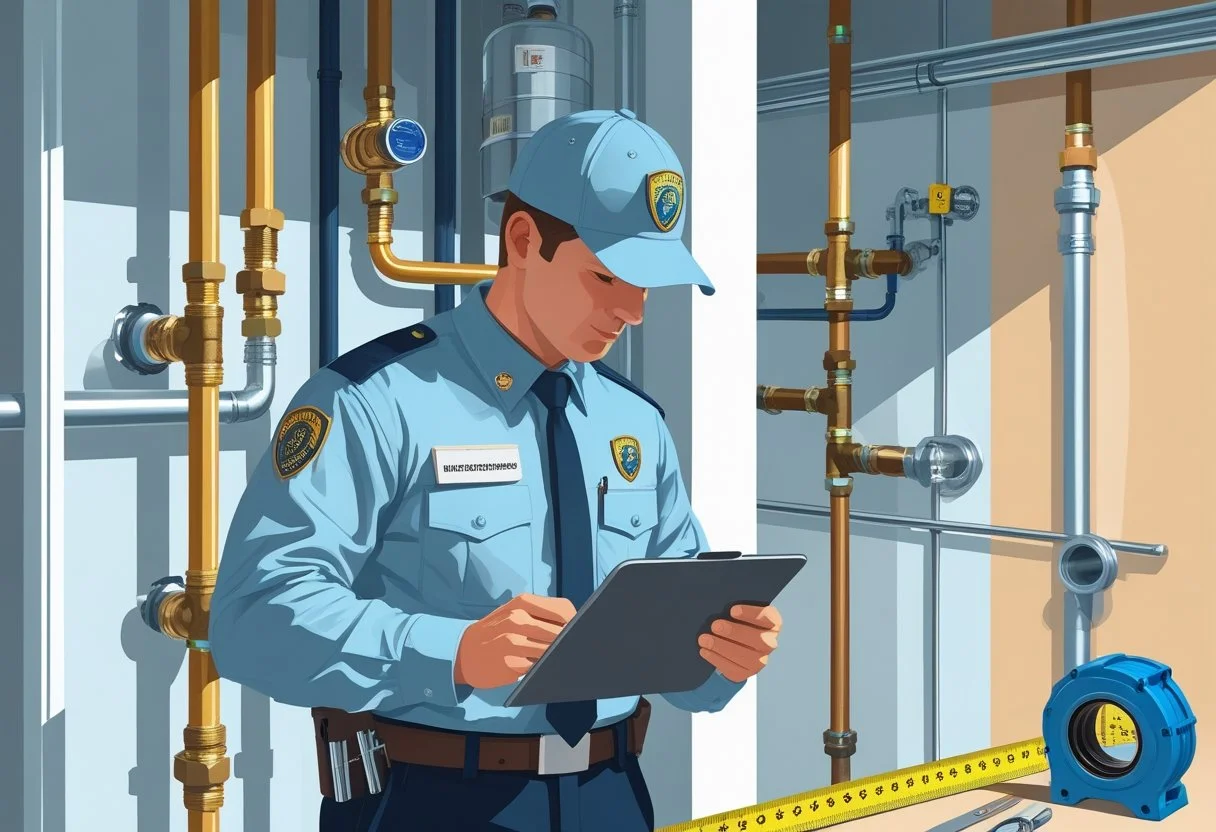
An annual plumbing inspection checklist is essential for keeping your home’s plumbing system in good working order and preventing costly repairs. By routinely checking pipes, valves, drains, and water heaters for leaks or damage, you can identify problems early and maintain a safe, efficient system. This simple step saves you time and money while protecting your property from water damage.
When you follow a thorough checklist, you ensure every critical component of your plumbing is reviewed, from assessing water pressure to spotting corrosion or blockages. Large View Plumbing & Heating can help guide you through this process or handle inspections with precision, so you don’t miss any issues.
Taking the time for an annual inspection is a proactive measure that benefits your household’s comfort and safety long term. With over 10 years of experience, Large View Plumbing & Heating combines skilled workmanship with modern tools to keep your plumbing running smoothly year-round.
Why Annual Plumbing Inspections Matter
Regular inspections keep your plumbing system in good condition by catching issues early, avoiding costly repairs, and maintaining efficiency. They help you protect your home while saving money in the long run.
Protecting Against Plumbing Disasters
An annual plumbing inspection identifies worn pipes, faulty joints, and potential weak points before they escalate into serious problems. Ignoring these risks can lead to burst pipes or sewer backups that disrupt your daily life and cause extensive damage.
Inspections focus on key components such as water pressure, pipe integrity, and drainage flow. Addressing these factors early prevents plumbing disasters that often require expensive emergency repairs or replacements.
Large View Plumbing & Heating uses modern diagnostic tools to detect issues invisible to the eye, ensuring your system operates safely. Timely intervention helps you avoid costly water damage and the stress of unexpected failures.
Preventing Water Damage and Mold
Undetected leaks or slow drip lines during the year can lead to hidden water damage behind walls and under floors. This moisture creates the perfect environment for mold growth, which can compromise indoor air quality and affect your health.
Annual inspections check for leaks in critical areas, including under sinks, around water heaters, and in pipe connections. Catching small leaks early protects your home’s structure and reduces the risk of mold infestations.
Through thorough plumbing checks, you gain peace of mind knowing your pipes aren’t causing unseen damage. Large View Plumbing & Heating’s trained technicians ensure your system stays leak-free and safe, protecting your investment.
Lowering Water Bills Through Leak Detection
Small leaks may go unnoticed but can waste hundreds of gallons of water yearly, raising your water bills unnecessarily. An annual inspection helps identify these inefficiencies before they impact your monthly expenses.
During the inspection, professionals check for common sources of leaks such as faucet washers, toilet flappers, and irrigation lines. Repairing these leaks promptly improves water efficiency and lowers costs.
By maintaining leak-free plumbing, you reduce waste and contribute to environmental conservation. Large View Plumbing & Heating helps you identify and fix leaks, ensuring your system is cost-effective and environmentally responsible.
Essential Items on the Annual Plumbing Inspection Checklist
To maintain your home’s plumbing system, focus on key areas like pipes, water pressure, water quality, and plumbing fixtures. Regular checks in these areas help prevent costly repairs and ensure everything runs efficiently.
Inspecting Pipes for Leaks
Start by examining all visible pipes, including those in basements, crawl spaces, and under sinks. Look for signs of moisture, corrosion, or small drips. Even minor leaks can cause water damage and increase your utility bills.
Check pipe joints and connections where leaks often appear first. Be sure to inspect supply lines to toilets, dishwashers, and washing machines, as they are common leak points.
Use a flashlight to catch hidden leaks behind walls or under floors. If you find damp spots or rust, it’s crucial to repair or replace those pipes promptly. Large View Plumbing & Heating often stresses that timely pipe inspection prevents long-term damage and maintains system integrity.
Evaluating Water Pressure and Pressure Relief Valve
Maintaining proper water pressure is essential for efficient plumbing. Use a pressure gauge to measure the water pressure at different fixtures. The ideal range is between 40 and 60 psi; pressure above 80 psi can stress your pipes and valves, increasing the risk of leaks.
Test the pressure relief valve on your water heater. This valve prevents excess pressure buildup that can lead to system failure or even explosions. Lift the lever to verify water flows out and then stops when released. If the valve is stuck or leaking, replace it immediately.
Regular pressure checks protect both your plumbing and appliances from unnecessary strain.
Assessing Water Quality
Evaluate your water for clarity, taste, and odor, as poor water quality can impact your plumbing and health. Cloudy or colored water often signals corrosion or sediment buildup in your pipes.
Test for hardness, pH level, and contaminants like chlorine, iron, and bacteria. Hard water causes scale buildup that clogs pipes and fixtures, reducing water flow and efficiency.
Using water filtration or softening systems can enhance water quality. Large View Plumbing & Heating recommends routine water quality checks to preserve plumbing lifespan and ensure safe water in North Shore homes.
Examining Plumbing Fixtures and Appliances
Inspect all faucets, sinks, toilets, and appliances for leaks, cracks, or damage. Look under sinks for wet spots or corrosion.
Flush toilets to ensure proper operation and check that they don’t run continuously. Test faucets for steady flow and listen for any unusual noises that could indicate internal issues.
Check appliance hoses on dishwashers and washing machines for brittleness or bulging. Replace any worn parts to prevent sudden failures.
Proper maintenance of fixtures and appliances helps prevent leaks and water waste, safeguarding your home’s plumbing system.
Drains, Toilets, and Water Heaters: Key Inspection Points
Maintaining these elements ensures your plumbing runs smoothly and prevents costly repairs. Proper checks address common issues like clogs, leaks, and efficiency problems that often go unnoticed until they escalate.
Checking for Slow Drains and Obstructions
Slow drains usually signal a buildup of debris, hair, or grease restricting water flow. Start by running water and observing how quickly it drains in sinks, tubs, and showers. If water pools or backs up, use a drain snake to carefully clear blockages. Avoid chemical drain cleaners as they can damage pipes over time.
Look under sinks for leaks or corrosion, as slow drains are often linked to hidden pipe issues. Persistent slow drainage may require a professional plumber to inspect traps, vents, and sewer lines.
Scheduling regular maintenance with a trusted provider like Large View Plumbing & Heating in North Shore, Massachusetts, can prevent major clog-related problems before they disrupt your household.
Testing Fixtures in Bathrooms and Kitchens
Your toilets, faucets, and showerheads require periodic testing to confirm they operate correctly and conserve water. For toilets, check for constant running or weak flushes, which may indicate worn flapper valves or fill issues.
Inspect faucets for drips or leaks at the base and handles. Even a minor drip wastes water and raises bills. Ensure showerheads spray evenly without low pressure, which could mean mineral buildup or internal damage.
These routine checks help maintain fixture longevity and avoid water damage. Large View Plumbing & Heating emphasizes thorough fixture inspections in their annual maintenance services to safeguard your home’s plumbing.
Water Heater Maintenance
Water heaters need careful monitoring to ensure efficiency and safety. Begin by inspecting the temperature and pressure relief valve for leaks or corrosion, as this valve prevents dangerous pressure buildup.
Flush your water heater annually to remove sediment buildup inside the tank. Sediment reduces heating efficiency, increases energy costs, and shortens the heater’s lifespan.
Check the thermostat settings; 120°F is typically ideal for safety and energy savings. If your water heater shows signs of rust, inconsistent temperature, or unusual noises, contact a plumber promptly for further evaluation.
Professional inspections by companies like Large View Plumbing & Heating provide peace of mind, helping you avoid unexpected failures and maintain consistent hot water availability.
DIY vs Professional Plumbing Inspections
Understanding when to inspect your plumbing yourself and when to hire a professional can save you time and money. Simple checks can be done without specialized tools, but some issues require expert evaluation to prevent costly damage or safety hazards. Knowing the limits of DIY plumbing inspection is key to maintaining your home’s system effectively.
When a DIY Plumbing Inspection Makes Sense
You can perform a DIY plumbing inspection for visible, straightforward issues. Check for leaks under sinks, listen for dripping sounds, and visually inspect pipes for corrosion or damage. Testing water pressure and observing drain flow can also alert you to minor problems.
Basic maintenance like winterizing outdoor faucets or clearing slow drains is suitable for most homeowners. Creating a checklist helps ensure no part is overlooked. DIY inspections save money, but they work best if you have some knowledge and are comfortable with plumbing basics.
If you detect minor leaks or clogged drains, you might fix them yourself. Large View Plumbing & Heating recommends documenting your findings to share with a plumber later if the problem persists. This approach gives you control while preparing for professional help if needed.
Knowing When to Call a Plumber
Certain issues need professional expertise. Persistent leaks, unusual water discoloration, low pressure that doesn’t improve, or visible pipe damage call for a licensed plumber. You should also seek help if you suspect hidden leaks behind walls or under slabs, which require tools like cameras or infrared technology to detect.
Complex repairs and system-wide assessments demand specialized training and certifications. A professional plumber like Large View Plumbing & Heating can perform comprehensive inspections, identify less obvious corrosion or deteriorating seals, and prevent future failures.
You should schedule annual professional inspections even if you do regular DIY checks. Doing so catches hidden or developing problems early, protecting your home and avoiding expensive repairs.
Safety Guidelines for Homeowners
When inspecting plumbing systems yourself, prioritize safety. Always turn off water supply valves before inspecting or starting any repairs. Avoid using harsh chemicals or tools you’re unfamiliar with to prevent personal injury or property damage.
Electric water heaters and gas lines require special attention and should only be inspected or repaired by qualified professionals. If you detect a gas smell, shut off the supply immediately and call your plumber or emergency services.
Use proper lighting and wear gloves when working in damp or confined spaces to reduce the risk of accidents. If you feel unsure or encounter unexpected issues, stop and contact a trusted expert.
Following these safety guidelines helps you protect yourself and your home, making DIY plumbing inspections practical and secure when done responsibly.
Addressing Issues Discovered During the Inspection
Once your plumbing inspection is complete, the next step involves managing and resolving the issues found. This process includes determining which repairs demand immediate attention, keeping thorough records of any changes made, and planning for ongoing plumbing care to prevent future problems.
Prioritizing Repairs and Maintenance
Start by categorizing problems based on their urgency and impact. Leaks, water pressure drops, and signs of corrosion should be addressed immediately to prevent property damage and higher repair costs. Fixtures that function poorly but don’t pose immediate risks can be scheduled for routine maintenance.
When deciding, consider safety hazards like gas leaks or broken pipes, which require professional attention from a licensed plumber. Minor issues such as slow drains or worn washers might be manageable until your next scheduled service. Prioritize based on what could cause the most damage or inconvenience.
A clear, prioritized repair list helps you focus resources effectively and communicates your needs when working with professionals like Large View Plumbing & Heating.
Documenting Plumbing System Changes
Accurate documentation of repairs and upgrades is essential for future reference and ongoing maintenance. Keep detailed records of what was fixed, replaced, or installed, including dates, parts used, and any warranties.
You can organize this information in a simple table or logbook that tracks:
| Date | Issue Addressed | Action Taken | Parts Used | Contractor/Plumber |
|---|---|---|---|---|
| 07/04/2025 | Leaking kitchen pipe | Pipe repaired & seal replaced | Copper pipe, sealant | Large View Plumbing & Heating |
This documentation assists in spotting recurring problems and provides clarity during future inspections or resale. It also helps your plumber understand past work for efficient troubleshooting.
Long-Term Strategies for Plumbing Care
To prevent frequent plumbing problems, establish a regular maintenance schedule tailored to your home’s specific system. This may include seasonal pipe insulation, periodic drain cleaning, and monitoring water pressure monthly.
Investing in modern solutions—such as trenchless pipe repair or high-efficiency fixtures recommended by professionals—can extend your system’s lifespan and reduce water waste.
Consult with your plumber about options that address your home’s unique conditions and prepare you for changing seasons, especially on the North Shore. Planning ahead minimizes costly emergency repairs and keeps your plumbing functioning reliably over time.
Frequently Asked Questions
Knowing what to check and how often to inspect your plumbing can prevent costly repairs. Identifying critical areas like leaks, water pressure, and system age is essential, especially for homes with older infrastructure or specialized systems.
What items are typically included in a residential plumbing inspection?
A standard inspection includes checking for leaks in pipes and fixtures, examining water pressure, assessing the condition of water heaters and sump pumps, and evaluating drainage efficiency. Inspectors also look for corrosion, pipe insulation status, and test shut-off valves.
How often should a comprehensive plumbing inspection be performed?
You should schedule a full plumbing inspection at least once a year. Regular annual inspections ensure early detection of issues and keep your system running efficiently. If your home is older or you notice signs of trouble, more frequent checks may be necessary.
What are the consequences of neglecting regular plumbing inspections?
Ignoring inspections can lead to undetected leaks causing water damage, mold growth, reduced water pressure, and higher utility bills. Small issues may escalate into expensive repairs or major replacements, especially with hidden pipe damage.
Can homeowners perform plumbing inspections themselves, or should they hire a professional?
You can perform basic checks like monitoring water pressure and inspecting visible pipes for leaks. However, a thorough annual inspection often requires professional tools and expertise. Large View Plumbing & Heating recommends using experienced technicians for comprehensive assessments to avoid overlooking hidden problems.
What are the critical checkpoints in a plumbing inspection for older homes?
For older homes, pay special attention to pipe material condition, especially if they use galvanized or lead piping. Inspect for corrosion, outdated fixtures, and insufficient insulation. Water heaters and shut-off valves should be tested for reliability to avoid failures.
Are there any legal requirements for plumbing inspections in residential properties?
Legal requirements vary by location but are generally minimal for private residences. However, some municipalities may require inspections for property sales or major renovations. Consulting with a trusted service like Large View Plumbing & Heating can help ensure compliance with local regulations.