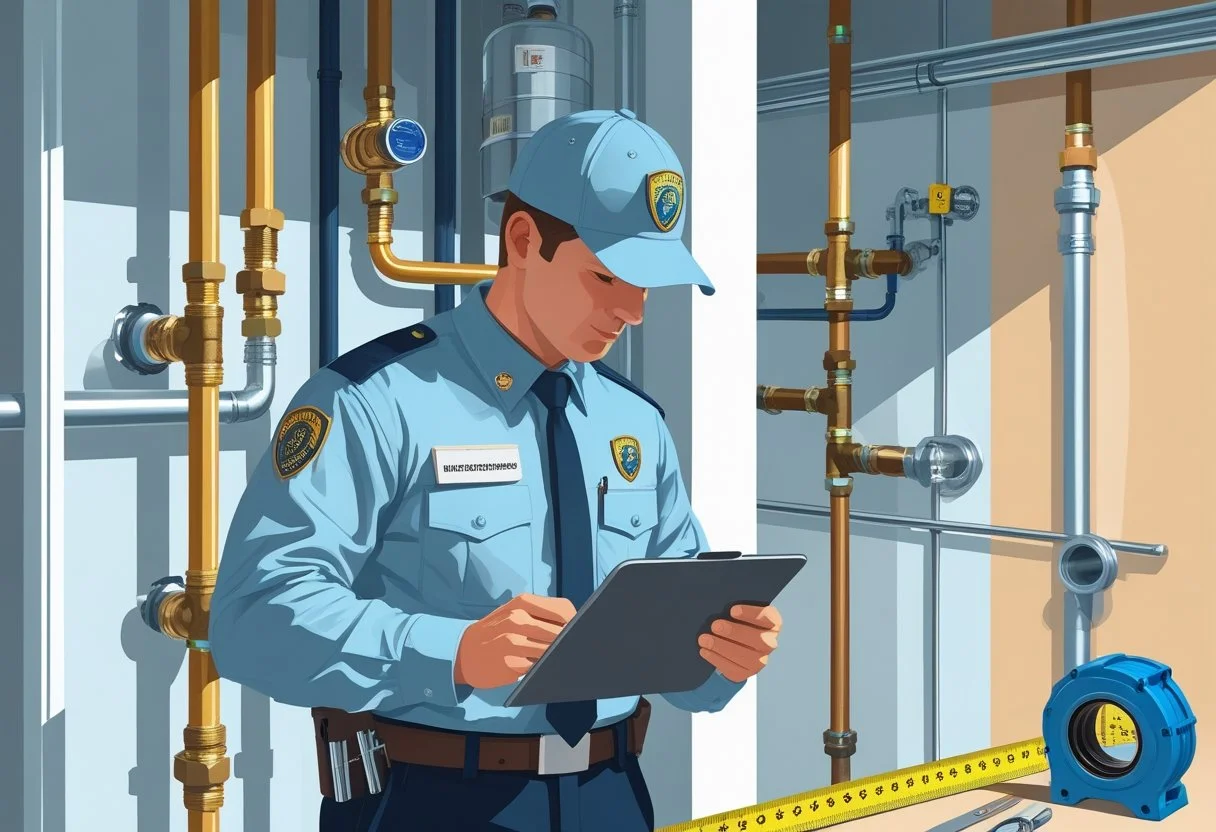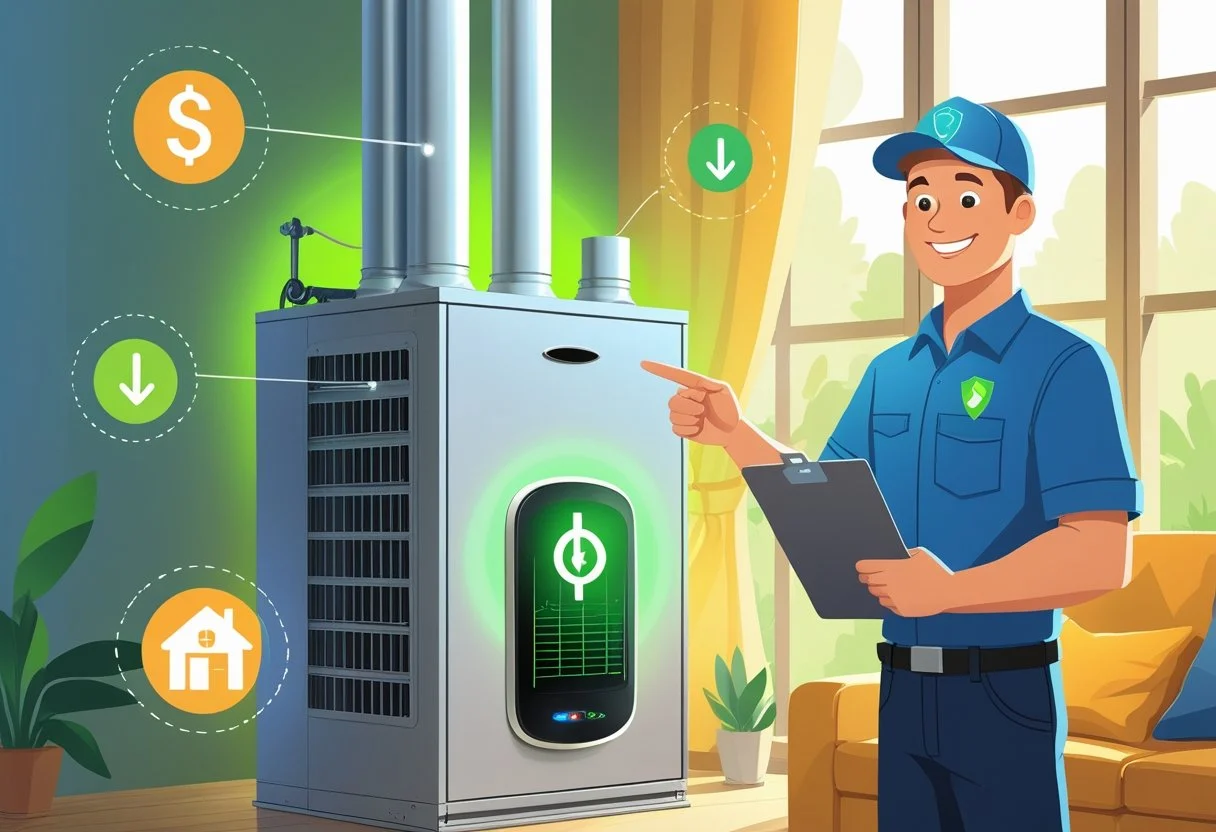
Knowing when to replace your water heater can save you from unexpected cold showers and costly repairs. A typical water heater in Massachusetts lasts about 8 to 12 years, and when it shows signs like inconsistent heating, leaks, or strange noises, it’s time to consider a replacement. Ignoring these warnings can lead to bigger problems and higher energy bills.
Your home’s climate and water quality in the North Shore area also affect your water heater’s lifespan. Working with experienced professionals like Large View Plumbing & Heating ensures you get timely advice and quality service tailored to your needs. They bring over a decade of expertise to help you decide the right time to upgrade or repair your unit.
Whether you have a traditional tank or a tankless system, staying proactive keeps your home comfortable and efficient. This guide will walk you through the key signs to watch for and what to expect when replacing a water heater in Massachusetts.
Key Signs You Need to Replace Your Water Heater
Knowing when your water heater is failing can save you from costly repairs and inconvenience. You should watch for specific warning signs related to its age, water quality, leaks, noises, and overall performance. Identifying these issues early is especially important for Massachusetts homeowners dealing with cold winters and varying water conditions.
Age and Lifespan Considerations
Most traditional water heaters last between 8 to 12 years. If your unit is older, it’s likely less efficient and more prone to failure. Tankless models can last up to 20 years but require regular maintenance.
In Massachusetts, the cold climate puts extra strain on water heaters, so age is a critical factor. If your system has passed the decade mark, it’s time to consider replacement, even if it’s still functioning. Older units also consume more energy, raising your utility bills.
Large View Plumbing & Heating recommends planning ahead before your water heater fails completely. Waiting too long could lead to leaks or bursts that cause water damage.
Discolored or Rusty Water
If hot water coming from your taps appears rusty, brown, or discolored, the problem could be your water heater. Rust inside the tank or corroded pipes can contaminate the water, posing both aesthetic and health concerns.
Discolored water is a clear indicator that the tank may be deteriorating from the inside. You might also notice a metallic taste or sediment buildup in sinks and appliances. This issue can compromise your water quality and damage household fixtures.
Massachusetts homeowners who spot these signs should act quickly to avoid further corrosion or contamination. Replacing the tank ensures safer water and protects your plumbing system.
Leaks and Water Damage
Leaks around or beneath your water heater signal that replacement is likely necessary. While leaks from pipes or valves might be repairable, if the tank itself is leaking, repair is usually not an option.
Slow leaks can cause considerable water damage to floors and walls, leading to mold growth and structural concerns. For homeowners in Massachusetts, where humidity and winter freeze-thaw cycles are factors, prompt action is crucial.
You should inspect the area regularly for pooling water, rust stains, or dampness near your heater. Contact Large View Plumbing & Heating for a professional evaluation if you notice any leaks.
Unusual Noises and Performance Issues
Popping, rumbling, or banging sounds coming from your water heater indicate sediment buildup at the tank’s bottom. This sediment reduces efficiency and may damage the tank over time.
You may also experience inconsistent or insufficient hot water, fluctuating temperatures, or longer wait times for hot water. These problems signal the heater’s declining performance and reduced reliability.
Addressing these issues early can prevent total system failure. If your water heater is noisy and underperforming, replacement is often the best choice to restore consistent hot water and reduce energy waste.
Common Problems Leading to Water Heater Replacement
Water heaters can develop issues that compromise their performance or safety, often signaling the need for replacement. Key concerns include inconsistent water temperature, frequent repair requirements, and failures related to vital safety components like the pressure relief valve.
Temperature Inconsistencies and Hot Water Loss
If your water heater delivers water that fluctuates between hot and cold without warning, this inconsistency can point to problems with the thermostat or heating elements. Sediment buildup inside the tank can also reduce efficiency, causing slower heating or insufficient hot water.
These issues typically mean your system is working harder and may be nearing the end of its lifespan. Persistent temperature problems often lead to higher energy bills and uncomfortable conditions at home. Repair may be possible, but if the water heater is older than 10 years or repairs are frequent, replacement is a more reliable option.
Frequent Water Heater Repairs
When you find yourself repeatedly calling for water heater repair, it’s often a sign that replacement should be considered. Common issues that prompt multiple repairs include leaks, corrosion, and failing internal components.
Constant patchwork can add up in cost and inconvenience. Modern units offer improved energy efficiency and reliability, so investing in replacement might save money over time. Consulting with a trusted local specialist, such as Large View Plumbing & Heating, can help you evaluate whether repair or replacement is best for your situation.
Pressure Relief Valve Failures
The pressure relief valve is a critical safety feature that prevents excessive pressure buildup inside your water heater. If this valve fails or leaks, it poses a safety risk and can cause damage to both the heater and your home.
Signs of valve failure include dripping, strange noises, or water pooling around the tank. While sometimes repairable, ongoing pressure relief valve issues usually indicate internal damage or corrosion, making replacement necessary. Ensuring this valve functions properly protects you and your property, so don’t delay in addressing these problems. Large View Plumbing & Heating can inspect and recommend the best course of action to keep your system safe.
Massachusetts Codes and Regulations for Water Heater Replacement
Replacing your water heater in Massachusetts requires careful attention to specific codes and licensing requirements. These rules ensure safety, efficiency, and proper installation while protecting your home from hazards. You must follow state laws, building codes, and obtain permits before work begins.
Overview of 780 CMR and State Building Code
780 CMR refers to the Massachusetts State Building Code. It governs all building construction and renovations, including water heater replacements. This code mandates that any new or replacement water heater installation must comply with standards outlined in Chapters 25 through 33, specifically Chapter 28, which covers water heaters.
The code requires water heaters to meet energy efficiency, safety, and venting guidelines to prevent hazards like gas leaks or structural damage. You must install systems that fit Massachusetts’ climate conditions, minimizing risk and ensuring long-term reliability. Failure to comply can result in fines or mandatory corrective work.
International Residential Code Requirements
Massachusetts adopts the International Residential Code (IRC) with state amendments. The IRC provides detailed requirements for water heater installation related to venting, temperature controls, and pressure relief valves. It also addresses pipe materials, insulation, and access for servicing.
Your replacement unit must comply with IRC standards for fuel type, temperature settings, and safety features. For example, the IRC limits the water temperature to prevent scalding and requires pressure relief valves to avoid tank explosions. IRC compliance ensures your installation is safe, functional, and up to date with national best practices.
You can review specific IRC provisions related to water heaters in Chapter 28 on water heaters, which ties closely with Massachusetts’ building codes.
Permits and Licensed Plumber Compliance
Before replacing your water heater, you must obtain a permit from your local building department. This permit confirms your project meets Massachusetts plumbing and energy codes. The replacement work must be performed by a licensed plumber authorized in Massachusetts.
Licensed plumbers, like the team at Large View Plumbing & Heating, ensure your installation follows all regulations, including venting, piping, and safety devices. Using licensed professionals helps avoid code violations that could delay inspections and lead to costly rework.
They will also provide necessary documentation after installation for municipal inspections. Always verify you’re working with a licensed expert to guarantee compliance and peace of mind for your home’s plumbing system.
Water Heater Replacement Process in Massachusetts
Replacing a water heater involves careful consideration of your home’s needs and following specific steps to ensure safety and efficiency. Choosing the right unit, professional removal, and proper installation contribute to a long-lasting heating system. You must also adhere to local codes to avoid complications.
Selecting the Right Water Heater for Your Home
Start by assessing your household’s hot water demands. Factors include the number of residents, peak usage times, and fuel type preference—natural gas, electric, or propane. Massachusetts homes often benefit from high-efficiency gas models due to colder winters and energy costs.
Consider tank size carefully: a 40 to 50-gallon tank suits a family of four, while smaller households may only need 30 gallons. Tankless water heaters offer endless hot water but may require higher upfront costs and specific installation conditions.
Energy efficiency ratings (such as the Energy Factor, EF) and available rebates in Massachusetts can reduce operational costs. Large View Plumbing & Heating offers expert advice to help you select a water heater that matches your needs while optimizing energy use.
Professional Removal and Installation Steps
Removing your old water heater involves shutting off power or gas supply and draining the tank completely to avoid leaks or water damage. Disconnect plumbing fixtures carefully to prevent breakage or injury.
During installation, the professional will position the new heater for easy access and ventilation. Connections for water, gas, or electric must meet manufacturer and safety standards to ensure proper operation.
Large View Plumbing & Heating’s experienced team follows strict procedures, including pressure testing and checking for leaks, before reactivating the system. Proper sealing and insulation around pipes help maintain energy efficiency once the water heater is operational.
Ensuring Code Compliance and Safety
Massachusetts requires permits for water heater replacement to ensure compliance with state plumbing codes (248 CMR 10.00). Licensed professionals must handle installations to guarantee adherence to safety regulations governing venting, gas lines, and electrical connections.
Inspections may be required after installation to verify that the system meets all local code requirements. This protects your home from hazards like gas leaks or carbon monoxide exposure.
Always hire a licensed plumber to avoid invalidating warranties or risking penalties. Large View Plumbing & Heating is fully licensed and insured, ensuring your water heater replacement meets all legal and safety standards in the North Shore region.
Preventive Maintenance and Tips to Extend Water Heater Life
Keeping your water heater well-maintained helps avoid costly repairs and extends its lifespan. Simple routine tasks like flushing the tank, inspecting key components, and managing temperature settings can improve efficiency and safety.
Annual Flushing and Sediment Removal
Sediment buildup inside your water heater tank reduces efficiency and can cause damage over time. Flushing the tank once a year helps remove mineral deposits such as calcium and magnesium that settle at the bottom.
To flush your water heater, turn off the power or gas supply first. Attach a garden hose to the drain valve and let the water flow out until it runs clear. This process clears away sediment that can cause corrosion or overheating.
Annual flushing improves heating efficiency and prevents premature tank failure. If you’re unsure how to perform this task safely, a professional from Large View Plumbing & Heating can assist with yearly maintenance.
Inspecting Pressure Relief Valve and Anode Rod
The pressure relief valve prevents excessive pressure buildup, which protects your water heater from potential explosions. Test the valve by lifting its lever; water should flow out smoothly and stop when released.
The anode rod inside the tank attracts corrosive elements, protecting the steel lining from rust. Inspect it every 1-3 years and replace it if more than 50% is corroded or worn away.
Regular checks of the pressure relief valve and anode rod are critical to water heater safety and longevity. Faulty components should be replaced promptly to avoid leaks or tank damage.
Recommended Temperature Settings and Insulation
Set your water heater temperature between 120°F and 130°F to balance comfort and energy efficiency. Higher temperatures increase energy costs and the risk of scalding.
Insulating your water heater tank and first few feet of piping reduces heat loss and lowers utility bills. Use pre-cut insulation blankets or wrap insulation foam around exposed pipes.
Adjusting temperature settings and adding insulation both help your water heater run efficiently, reducing wear and extending its service life. For personalized advice or installation help, Large View Plumbing & Heating can provide expert support.
Frequently Asked Questions
Knowing when to replace your water heater involves recognizing specific signs, understanding lifespan expectations, and considering local regulations. Proper timing can prevent costly repairs and avoid safety hazards.
What are the signs that indicate a water heater needs replacement in Massachusetts?
If your water heater leaks, produces insufficient hot water, or has inconsistent temperature, these are clear indicators to consider replacement. Frequent repairs or strange noises also suggest the unit is failing.
How often should a water heater be replaced in Massachusetts for optimal performance?
Most traditional water heaters last about 10 to 15 years. Tankless models may last over 20 years with proper maintenance. Replacing your unit within these time frames ensures efficiency and reliability.
Are there specific regulations in Massachusetts requiring a professional installation for new water heaters?
Yes, Massachusetts requires water heaters to be installed according to state codes, including proper access for maintenance. Hiring a licensed professional, like those at Large View Plumbing & Heating, ensures compliance and safety.
What is the average lifespan of a water heater in Massachusetts?
Standard gas or electric water heaters typically last 10 to 15 years. Tankless units can often exceed 20 years if maintained properly, which may save money over time despite the initial cost.
Can weather or climate in Massachusetts affect the longevity of a water heater?
Cold winters can increase usage and strain on your water heater, potentially shortening its lifespan. Proper insulation and maintenance are essential to help your unit handle local climate challenges.
What are the potential risks of delaying the replacement of a failing water heater in Massachusetts?
Delaying replacement risks leaks that can cause water damage, pipe corrosion, or even system failure. It may also lead to higher energy bills and unsafe conditions like gas leaks or electrical hazards. Contact Large View Plumbing & Heating for an assessment if you notice warning signs.